


1

2

3

4

5

6

7

8

9

10

11

12

13

14

15

16

17

18

19

20

21

22

23

24

25

26

27

28

29

30

31

32

33

34
- NEW: Reporter says a Damascus hospital apparently was attacked by rebels
- Sunday's death toll rises to 19, opposition groups say
- Rebels say they have seized a border gate between Syria and Turkey
- The regime denies reports of helicopter attacks in Damascus and says the city is "normal"
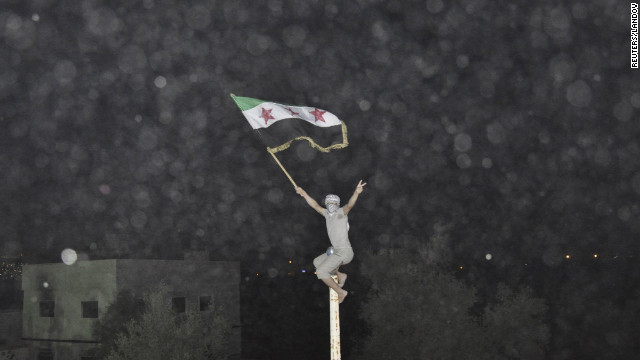
(CNN) -- After 16 months of bloodshed, the Syrian crisis zeroed in on Aleppo, the country's most populated city and a critical one for both President Bashar al-Assad's regime and rebels.
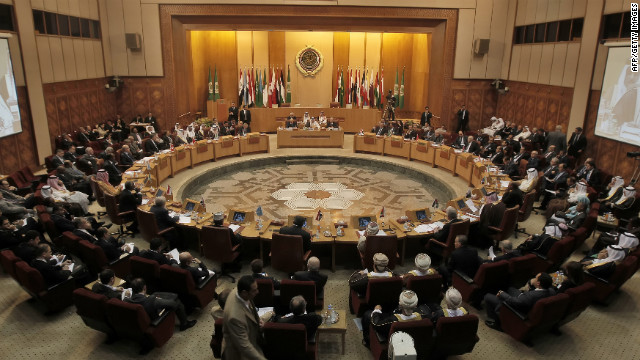
This comes as Arab League diplomats huddle in Qatar to find ways to end violence and forge peace in Syria, a country engulfed by a fierce government offensive against dissidents and an armed uprising against the regime.
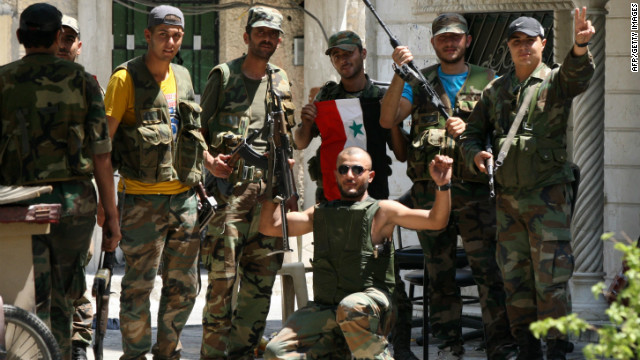
In a video posted online Sunday, the head of the rebel Free Syrian Army in Aleppo announced an operation "to liberate the city of Aleppo from the rule of the Assad thugs, whose hands were blood-stained by heinous crimes against our people."
Brig. Gen. Abdel Jabbar Al-Obeidi urged regime soldiers to defect or step aside and not fight against his men, with the promise that no one would be harmed.
He also vowed to secure Aleppo and protect all minorities and sects, including the members of Alawite sect that the president belongs to.
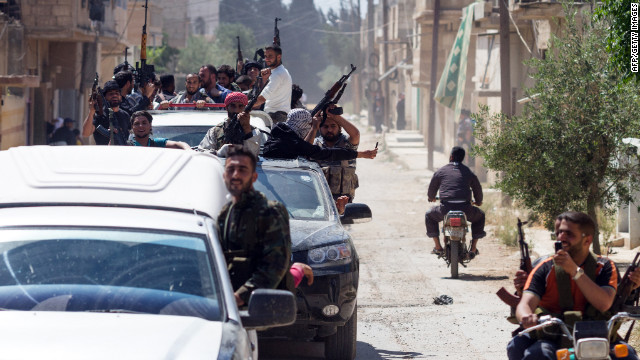
Fierce clashes erupted Sunday between regime and rebel forces in Aleppo, opposition activists said.
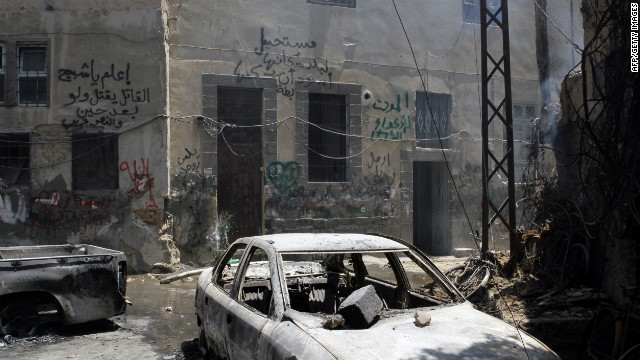
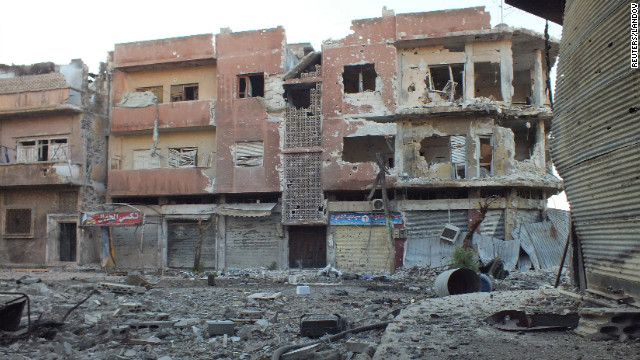
"An entire building collapsed in Seif al-Dawla neighborhood after a regime tank ... targeted it with four shells," the Local Coordination Committees of Syria said.
The government gave the following account of Sunday's violence in Aleppo, describing opposition fighters as "terrorists":
"The special authorities clashed with terrorist armed groups after they dragged the terrorists into an ambush in Hereitan, Aleppo and killed a large number of them," state-run TV said. "Some of the terrorists dropped their weapons down and surrendered to the authorities."
Later, state-run TV cited an official media source as denying reports in media outlets regarding Aleppo.
"Some terrorists are mobilizing their armed groups in the city in a a similar attempt to distort the reality and the facts on the ground just like they tried to do in Damascus," the network said.
"Our heroic armed forces and the special authorities in Aleppo ... have been tracking down the remnants of the terrorists, killing a large number of them." Others surrendered, while still more fled toward Turkey, according to the report.
If rebels eventually gain control of Aleppo, the commercial hub of Syria, it would mark a pivotal point in the Syrian crisis and deal a heavy blow to al-Assad's financial ties.
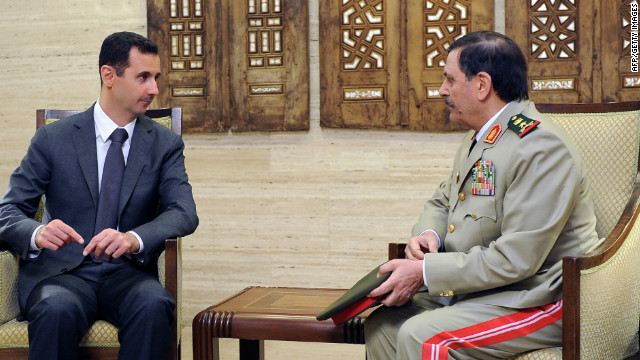
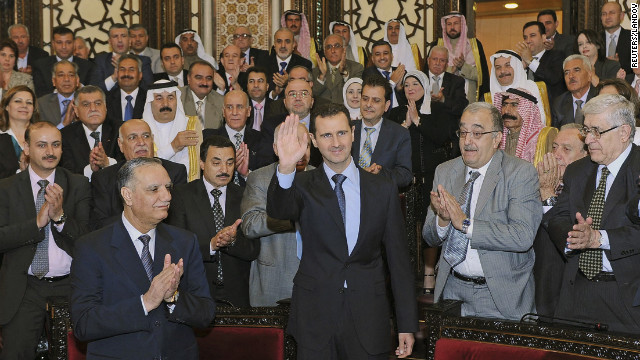
Al-Assad on Sunday made his second appearance since a bombing last week killed four members of his inner circle and government. The state-run Syrian Arab News Agency posted a photo of the president receiving Gen. Ali Abdullah Ayyoub, described as chief of general staff of the army and the armed forces.
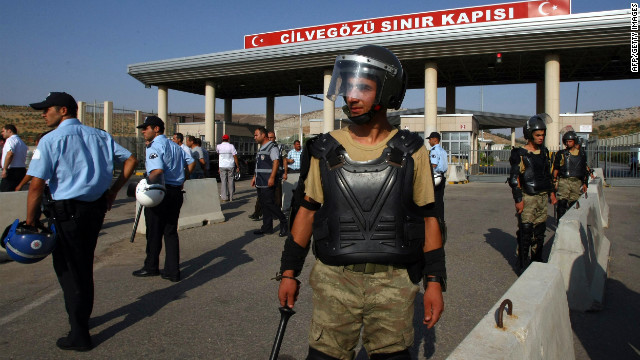
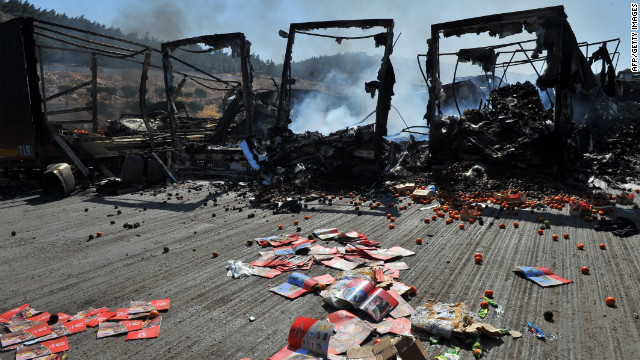
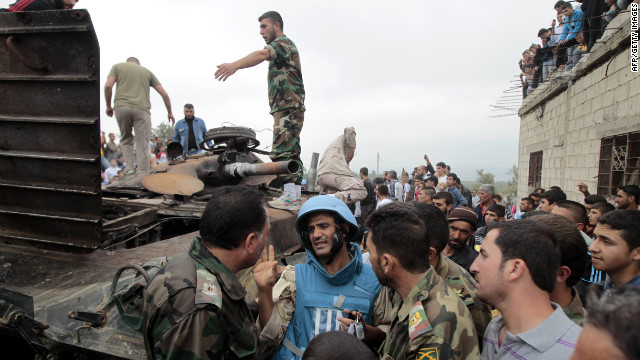
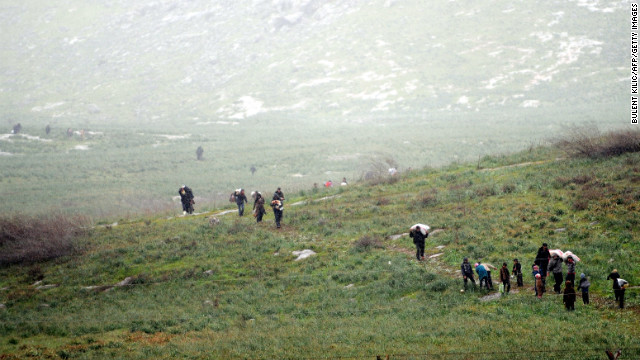
Meanwhile, rebels said Sunday they had seized a border gate between Syria and Turkey at Bab al Salam.
"There were attempts to take over the border crossing of Bab al Salam for the last three days," Malik Kurdi, deputy commander of the Free Syrian Army, told CNN. "Yesterday, very late at night, FSA seized the gate completely, and now Syrian helicopters are flying around." He said there are concerns Syrian forces could attack the gate.
"We control all of Bab al Salam," said an FSA fighter identifying himself as Abu Shawki. The gate was seized following fierce clashes, he said -- "many people died." Tanks abandoned by regime forces could still be seen, he said. Traffic was coming in and out, he said.
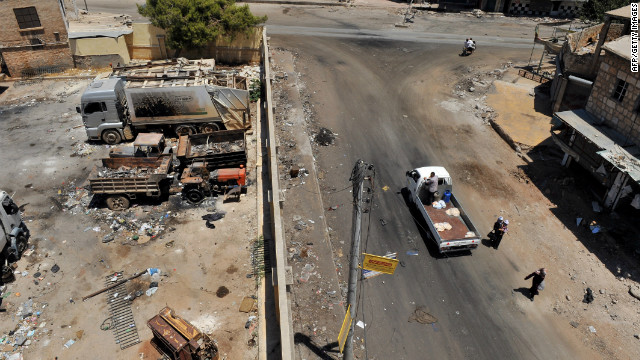
Aleppo and the capital city of Damascus have been al-Assad strongholds. But heavy clashes in Damascus over the past week, along with recent bombing that killed four members of al-Assad's inner circle and government, suggest cracks in the regime's armor.
A violent crackdown on peaceful demonstrators at Aleppo University in May was one of the turning points of the uprising, when anti-regime students and civilians were shot in the streets.
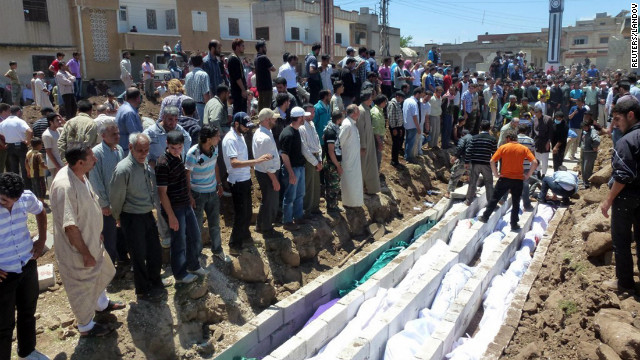
Across the country, at least 19 people were killed Sunday, the LCC said. The deaths occurred in the Homs, Deir Ezzor, Idlib, Daraa, Aleppo and Damascus areas and included a child and four defected soldiers, the organization said.
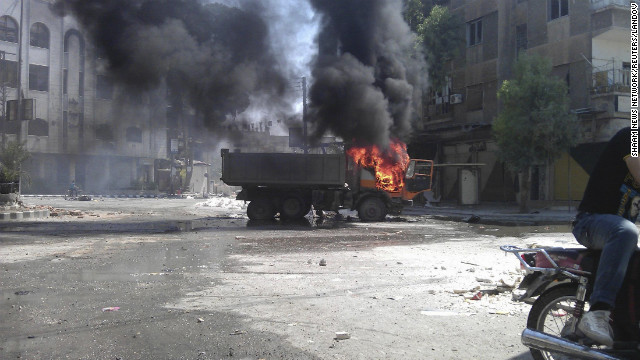
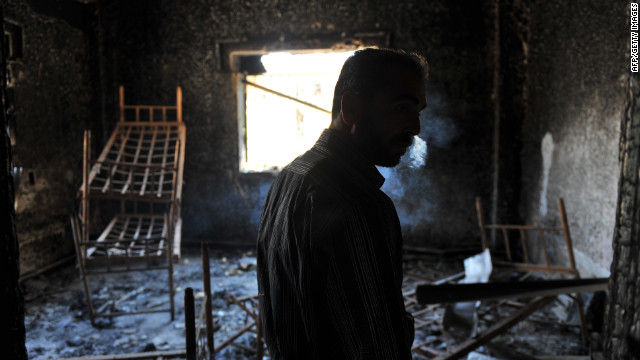
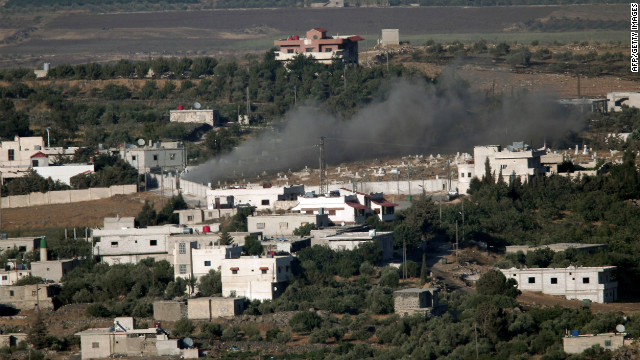
In Damascus, a mosque came under attack from rocket and helicopter shelling, leading to "many" injuries, an opposition group said.
The mosque caught fire, and "families remain trapped within the disaster-stricken neighborhood" of Barzeh, the LCC said.
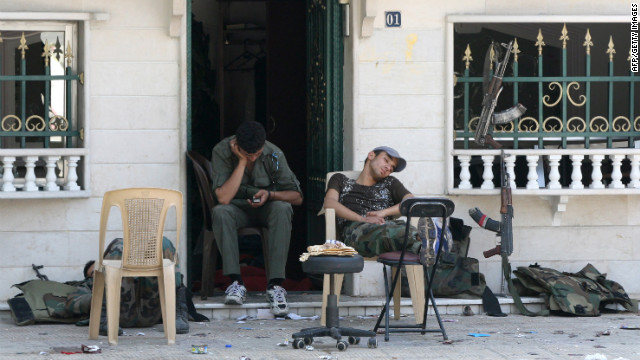
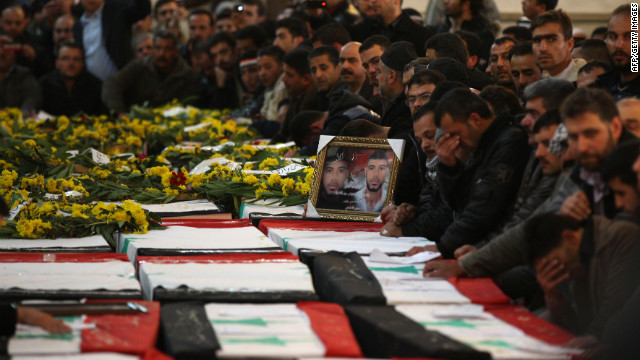
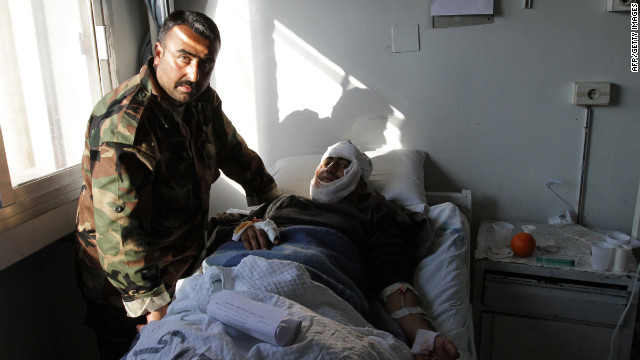
Alex Thomson, a correspondent with CNN affiliate ITN, said on Twitter Sunday that a military hospital in Damascus came under heavy fire, and a sustained firefight took place as rebels apparently attacked the building for about 90 minutes. The bodies of soldiers were at the hospital, he said; their funerals were canceled because of the hospital attack.
Thomson noted in a blog post he could not say for sure that rebels attacked the hospital, but soldiers at the hospital insisted it was under attack.
But the Syrian regime denied reports of helicopter attacks in Damascus, calling them "baseless."
"The situation in Damascus is very normal, and life is as usual but in a limited number of neighborhoods," Syrian state-run TV reported Sunday.
Separately, an opposition group reported that a senior scientist and expert in Syria's missile program was killed, along with his wife and son.
Retired Maj. Gen. Nabil Zugheib was assassinated in the Bab Touma district of Damascus, the Syrian Observatory for Human Rights said. There was no immediate claim of responsibility.
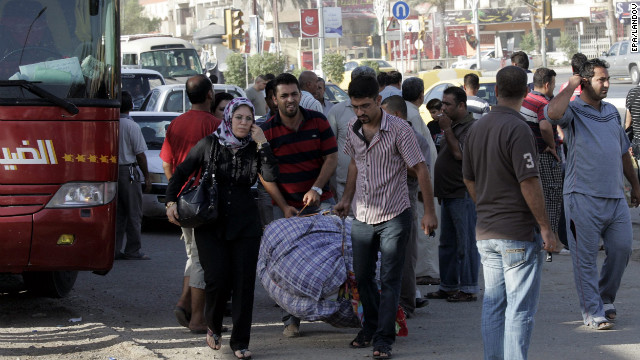
Thousands of Syrians race to borders
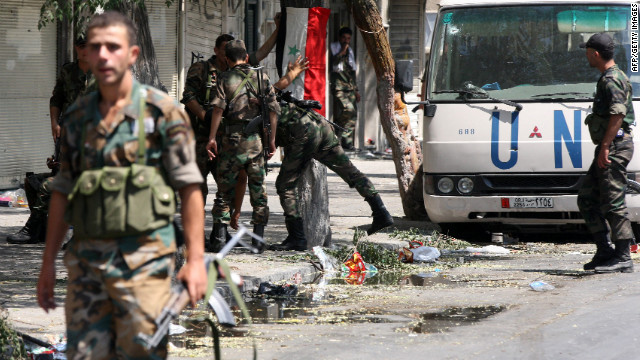
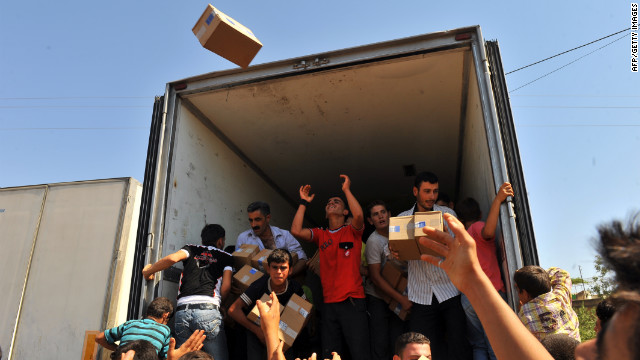
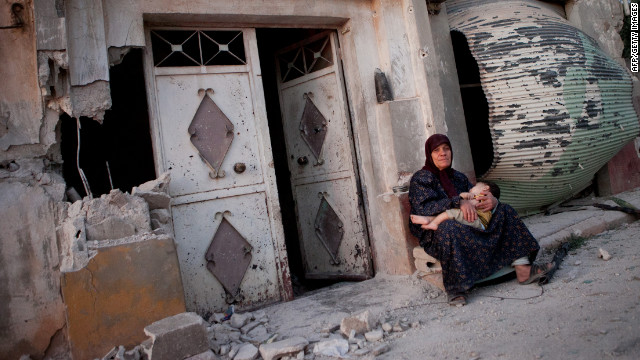
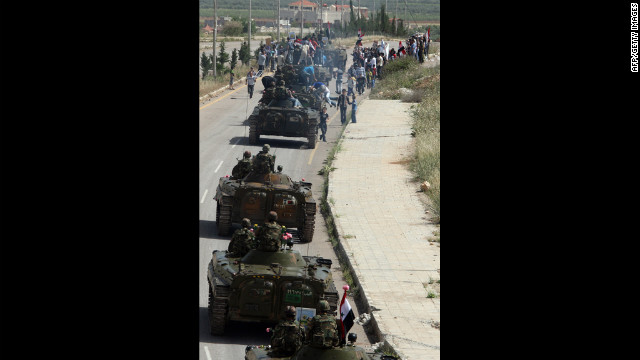
Damascus is largely isolated by checkpoints and tanks, witnesses said Saturday, with tanks, artillery and mortars pummeled the neighborhood of Barzeh. Opposition groups said medicine is running out and residents are appealing for help.
At least 13 of 140 people killed across the country Saturday were in Damascus or the Damascus suburbs, the LCC said.
CNN cannot independently confirm reports of violence because the government restricts access by foreign journalists.
The crisis started in March 2011, when a fierce government crackdown against protesters morphed into a nationwide uprising against the regime.
The United Nations estimates more than 10,000 people have been killed since the crisis began more than 16 months ago. But Rupert Colville, a spokesman for the office of the U.N. high commissioner for human rights, said the United Nations has not been giving out overall death toll numbers since December "because it became impossible to verify the numbers in any meaningful way."
Opposition groups tracking deaths have issued higher tolls. The LCC, for example, estimates that more than 16,000 -- mostly civilians -- have died.
Video: How does Assad survive in Syria?
The Syrian regime has taken a hit with military defections. An official from the Turkish Foreign Ministry said three brigadier generals from Syria arrived in Turkey last week. He said about two dozen Syrian generals have fled to Turkey.
Diplomats have yet to come up with a plan to effectively stop what is now being called a civil war.
The Arab League is expected to meet Sunday in Doha, Qatar, to discuss Syria, according to a senior Arab League official. The secretary-general will meet first with a five-member committee handling Syria before presenting a proposal to the wider group, also Sunday night, the official said.
Why Syria could get even uglier

No comments:
Post a Comment